
Cartier’s Story: When Heartbreak Became a Movement
How Quincy and Rhajaé Carroll transformed their family’s most difficult season into a Kansas City basketball movement built on faith, compassion and community.

By Levi Lee
Near the court at F.L. Schlagle High School, a little boy lifted a basketball toward the rim as if the afternoon belonged to him.
Around him, sneakers gripped the hardwood. Players called out defensive assignments. Music energized the pauses between possessions. Families cheered from the stands while volunteers welcomed people into the second annual Broken Heart Classic Charity Basketball Tournament.
Allison Williamson had arrived after seeing the event flyer on Facebook. She did not personally know organizers Quincy and Rhajaé Carroll, and she misunderstood one important part of their story: She thought the tournament was being held in memory of their son, Cartier.
Then Rhajaé pointed toward the boy shooting baskets nearby.

“She thought all these people had gathered in a memorial setting,” Rhajaé recalled, “when we were actually celebrating the miracle that he is.”
That moment captured the heart of the Broken Heart Classic. This was a basketball tournament born from fear and uncertainty, yet filled with movement, music, fellowship and life. It was a family’s way of refusing to let heartbreak have the final word.
Five Months That Changed Everything

During Cartier’s hospitalization, Rhajaé held her children close while navigating fear, uncertainty and the daily responsibility of caring for her entire family through an unimaginably difficult season.
The Carroll family’s journey began July 8, 2024, when four-month-old Cartier was taken to Children’s Mercy after his parents knew something was seriously wrong.
Rhajaé remembers being frightened and frustrated. One hospital had not found a reason for the family to make the trip to Children’s Mercy, but Cartier’s parents trusted their instincts and sought another opinion.
Quincy remembers desperation.
“I wanted my boy to feel better,” he said. “I could tell something was off with him. I just didn’t know the extent of what was going on.”
Cartier was admitted and remained in care for nearly five months. According to his parents, he spent five weeks sedated and was placed on a transplant list. Each day became a waiting game for a family trying to balance hope, fear, work, faith and the needs of their young daughter.

Even during the uncertainty of Cartier’s hospitalization, moments of laughter with his father, Quincy, brought light, strength and hope to the family’s nearly five-month journey.
Home was approximately an hour away. Rhajaé was a postpartum, breastfeeding mother. Their three-year-old daughter wanted to sleep in her own room and wondered why her baby brother was sick. Quincy eventually had to return to work.
“The world didn’t stop even though it felt like mine did,” Rhajaé said.
During that uncertain season, the Ronald McDonald House became their home away from home. Lodging, meals, laundry facilities, children’s activities and proximity to the hospital allowed the family to remain focused on Cartier.

Quincy remembers that his daughter viewed the experience differently from the adults.
“My daughter thinks it was just a fun place we stayed,” he said. “That goes to show how they provided entertainment for the kids.”
The services were free to the Carroll family—but they were not free to provide. Someone donated the meals. Someone stocked the supplies. Someone created activities for children. Someone made it possible for parents to stay close to their hospitalized child.
That understanding planted the seed for what would become the Broken Heart Classic.
Turning Gratitude Into Action

While living around families in the cardiac intensive care unit, Quincy and Rhajaé jokingly referred to their shared experience as the “Broken Heart Club”—a club no family would ever choose to join.
After Cartier returned home, his parents could not simply forget the families still waiting beside hospital beds.
Quincy began thinking about how basketball could bring people together while raising money and awareness. A traditional fundraiser might attract those already connected to the cause. Basketball could reach teammates, families, spectators, businesses and community leaders who might otherwise never hear the story.
“We came up with an idea of how to raise as much money as possible where we get community help but also have fun,” Quincy explained. “Basketball is a game that brings everyone together.”
On Saturday, July 18, 2026, that idea returned for its second year. The official flyer requested a minimum one-dollar donation for admission, while donations of five dollars or more qualified attendees for a raffle entry. The purpose was clear: support families served by Ronald McDonald House Kansas City.
The tournament was originally scheduled for Sumner Academy, but a last-minute facility issue forced organizers to relocate to F.L. Schlagle High School. Instead of allowing the disruption to stop the event, organizers and supporters adjusted.
By noon, the venue change was no longer the story. The gym was alive.
Competition With a Conscience
The Broken Heart Classic did not ask players to reduce their competitive fire. The intensity gave the event energy and made the mission visible to a wider audience.

Commissioner Jermaine Howard opened the tournament by reminding those gathered that strengthening families and investing in young people strengthens the future of Kansas City, Kansas.
“Community is about showing up for one another,” Howard said. “Whether you’re an athlete, a parent, a volunteer, a business owner or a community leader, you have a role to play.”
Howard connected the tournament to his “We Not Me” philosophy—the understanding that lasting progress is created when people move from asking what they can receive to asking what they can build together.
That spirit could be seen throughout the gym. Athletes competed. Families filled the stands. Volunteers handled the details. Community supporters contributed their time, talents and resources.

When the competition ended, Coach Q’s team, Carti’s Crashouts, stood as the 2026 Broken Heart Classic champions.
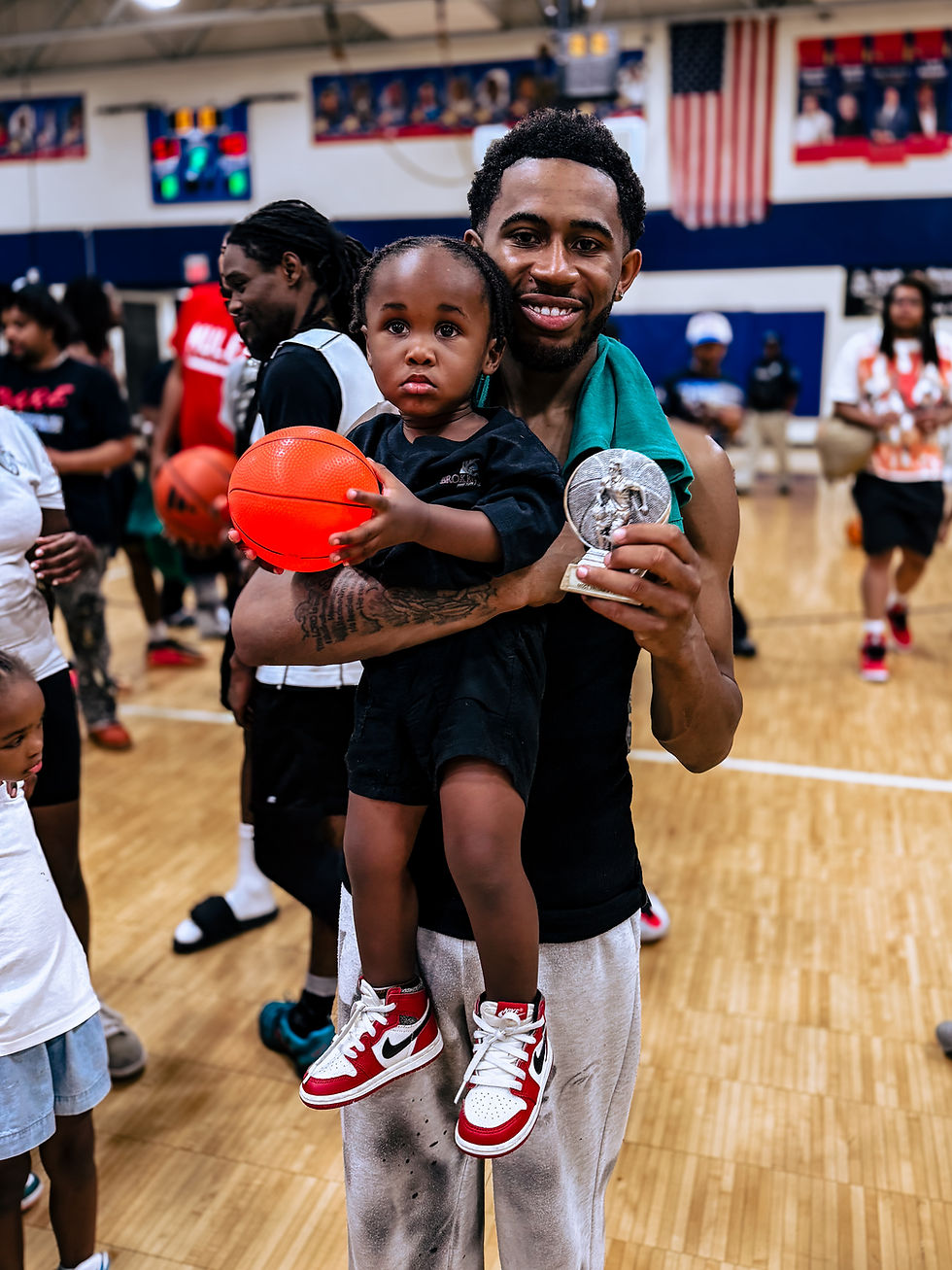
There was something fitting about a team carrying Cartier’s name winning the tournament inspired by his journey. The child who once spent weeks sedated was now shooting baskets beside the same court where his story had gathered an entire community.


A Moment for Micki Wells
Before the second game, the movement inside the gym stopped.
Players and spectators observed a moment of silence honoring Micki Wells, the best friend and coworker of Quincy’s mother who had become an aunt to the Carroll family.
Micki supported the family during Cartier’s hospitalization and attended the first Broken Heart Classic. Her son, Ricky, played in both tournaments with Carti’s Crashouts.

The Wells family was invited to center court as the gym honored someone Quincy described as the kind of person who lifted others whenever they were down.
“Aunty Micki is love,” he said.
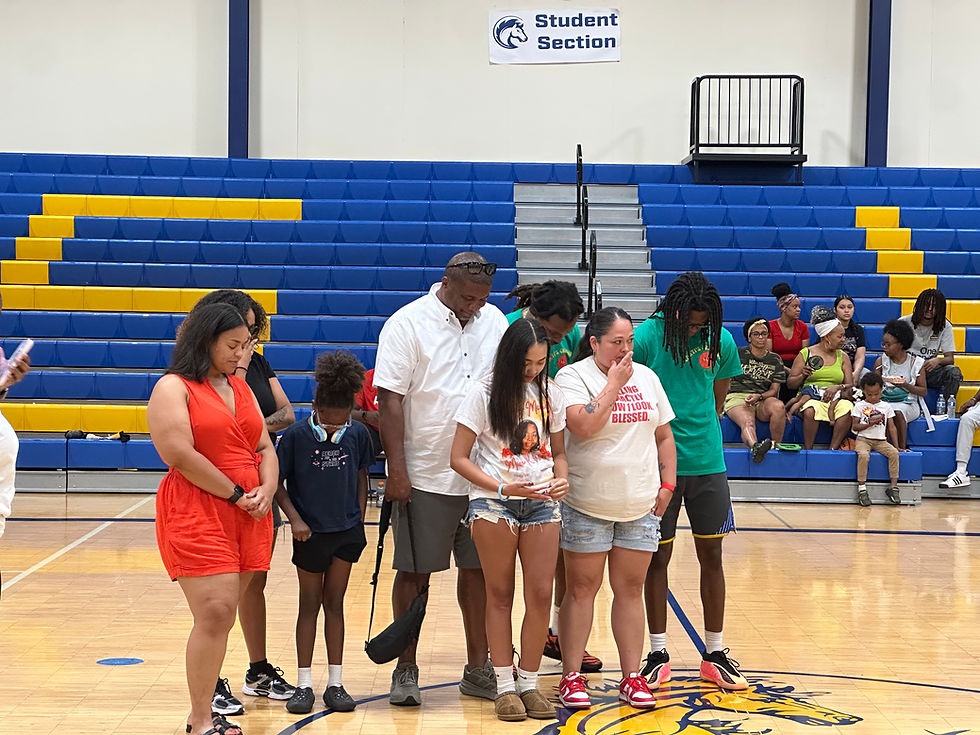
The silence reminded everyone that community is not measured only by how loudly people cheer. Sometimes it is revealed by whether a room can become still enough to recognize those whose love continues shaping the lives around them.
The Victory Beyond the Scoreboard
The smallest donation at the Broken Heart Classic could carry enormous meaning.

For a family facing a medical crisis, a meal can mean a parent does not have to leave a child’s side. Clean laundry can restore a sense of normalcy. A nearby room can give exhausted parents a place to rest without feeling far away.
“Your one dollar is easing the burden of a parent,” Rhajaé said. “A contribution can allow a family peace of mind.”

The tournament’s next challenge is growth. Quincy envisions standing-room-only crowds, more teams, stronger business partnerships and an impact that reaches families throughout the region.
For sponsors, supporting the Broken Heart Classic is not simply an opportunity to place a logo on an event. It is an investment in families, athletes, young people and a locally created movement with the potential to grow throughout Kansas City and beyond.
As the afternoon ended, Carti’s Crashouts held the championship. Yet the image that remained was Cartier beside the court, shooting while a stranger discovered that she had come not to mourn him, but to help extend the meaning of his recovery.
The scoreboard determined who won the tournament.
The movement’s lasting victory was found in every person who chose to turn compassion into action—and in one family that transformed its gratitude into a promise that other families would not have to carry their hardest days alone.
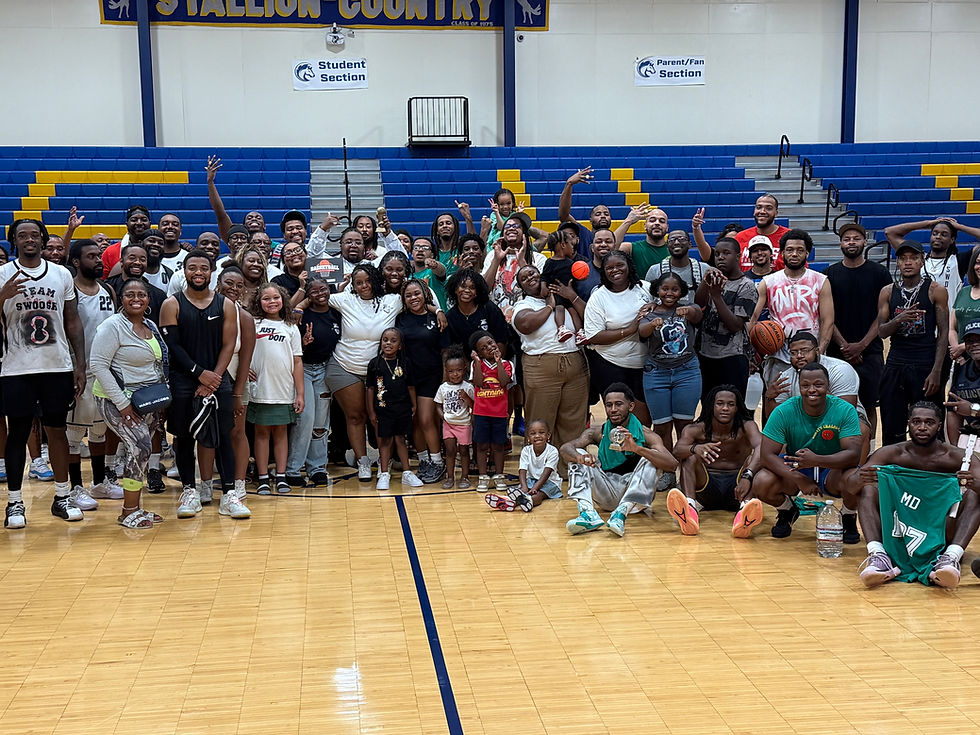


Such a wholesome moment. A blessing.