

LISTEN BEFORE LEADING
Updated: Sep 9
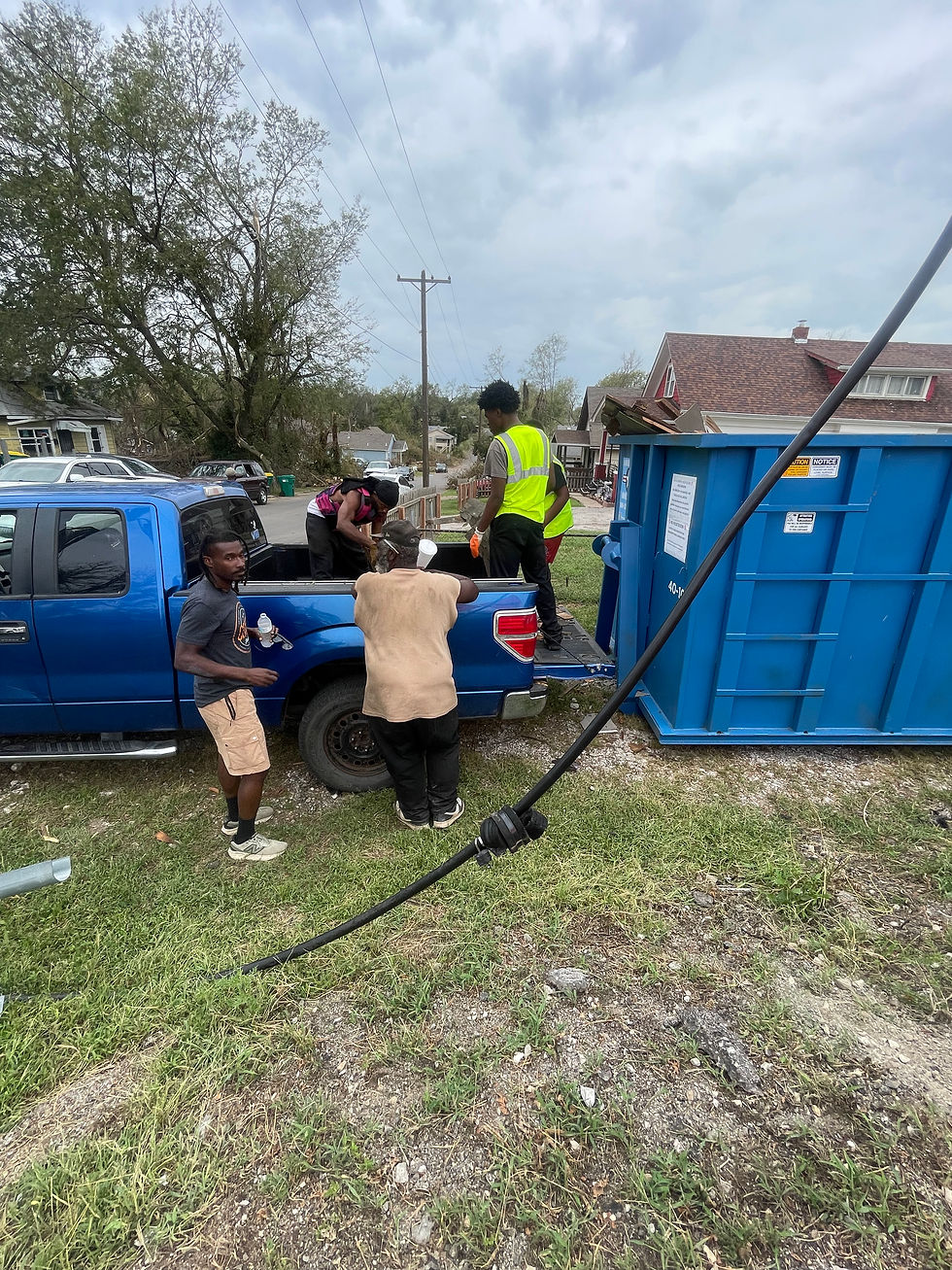
After the storm, I was reminded that sometimes the most important thing a leader can do is show up, listen and be fully present.
Before I tell you about this week, I want to acknowledge something.
This edition of We Not Me Conversations is a little behind.
After the storm, there was a lot happening across our community—and there was a lot happening all at once.
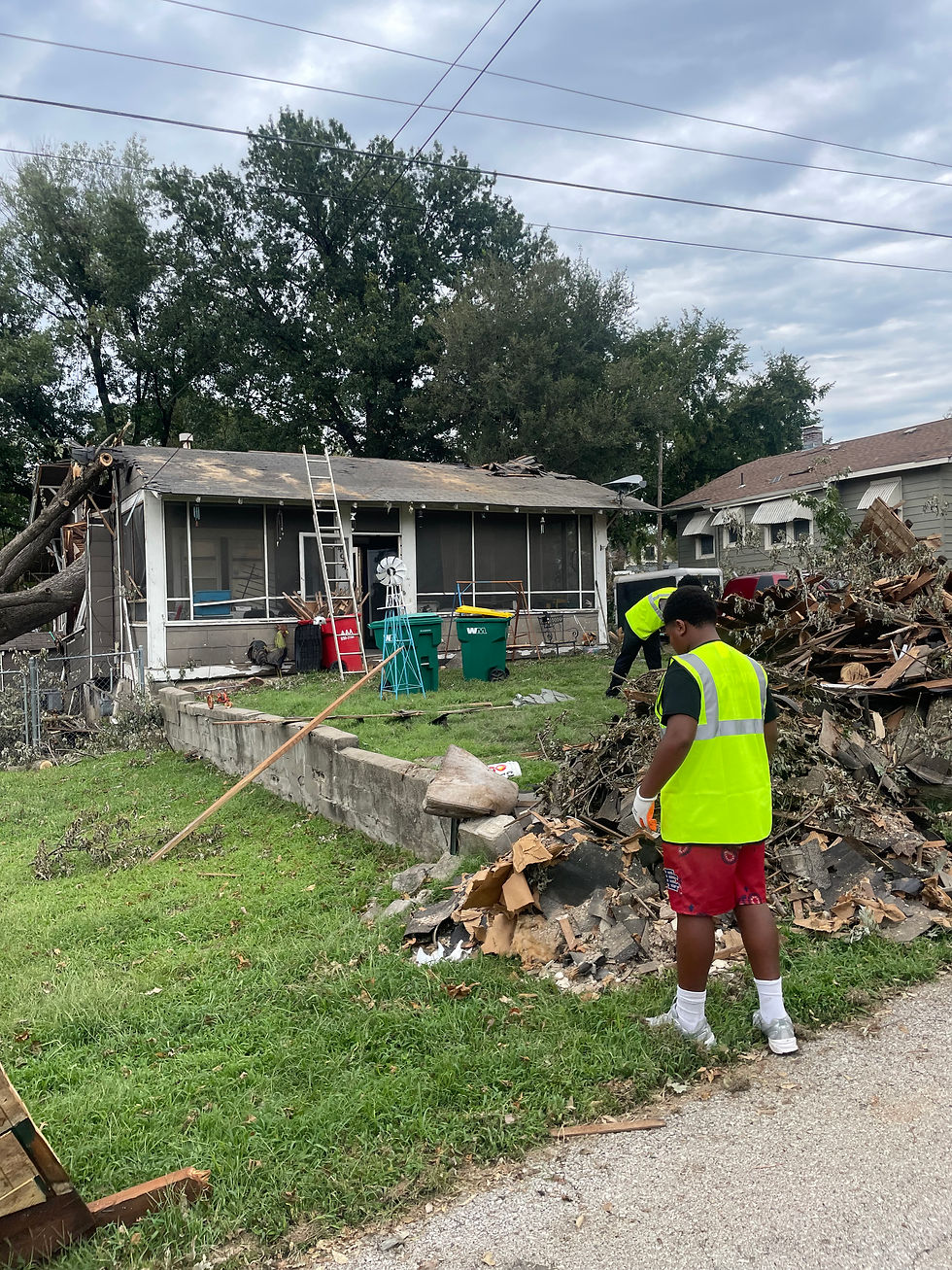
Residents were without power. Trees were down. Homes and property were damaged. Families were looking for resources. Seniors needed assistance. People had questions, concerns and, in some cases, nowhere else to turn.
I had a decision to make about where my attention needed to be.
And in that moment, I believed it was more important for me to be fully present and engaged with the people of District 1 than to rush to get a blog published on schedule.
At the same time, I recognize something equally important:
Communication is part of leadership too.
This blog exists because I want you to know what I’m seeing, what I’m hearing, what I’m working on and, just as importantly, what I’m learning from you.
I had a lot I wanted to say about what happened after this storm. I didn’t want to rush those thoughts just to meet a deadline. And I didn’t want to give you incomplete thoughts when our community was dealing with something this serious.
So, yes, we’re a little behind.
But we’re here.
And I appreciate you continuing this conversation with me.
Because this week’s story is really about exactly that:
Listening before leading.
A STORY I WON’T SOON FORGET

There are some weeks you remember because of what you accomplished.
And there are other weeks you remember because of the people you met.
This was one of those weeks.
If I had to describe it in one word, that word would be:
Disaster.
The storm that hit Wyandotte County damaged homes, knocked down trees and utility infrastructure, disrupted essential services and left families trying to figure out what came next.
But statistics and damage reports only tell part of the story.
The rest of the story is found in living rooms, front yards, resiliency hubs and conversations with people like Mr. Gilbert Kirk.
Mr. Kirk is 80 years old. He lives alone with his dog and cat.
During the storm, a tree came crashing through his roof. A wall collapsed on him, and he was trapped for approximately two hours before a neighbor was able to rescue him.
And after all of that, he still didn’t want to leave his home.
I haven’t stopped thinking about him.

Because when you sit across from someone who has experienced something like that, leadership becomes very simple.
You don’t begin by talking.
You begin by listening.
THIS WEEK IN DISTRICT 1
Showing Up When It Matters
Much of my time following the storm was spent meeting with residents who had been directly impacted.

I wanted to hear what people were experiencing firsthand—not simply what appeared in a report or came across my phone.
People needed electricity restored.
Families needed help with damaged homes.
Residents needed assistance removing debris.
Seniors needed someone checking on them.
People needed resources.
And sometimes, people simply needed someone to listen.
There were multiple conversations that stayed with me, but some of the most encouraging happened with residents who came to the resiliency hub looking for help.

These were people dealing with real challenges.
Yet I still saw grateful hearts.
Kind spirits.
People helping strangers.
Neighbors encouraging neighbors.
Residents sharing information and resources with one another.
It reminded me that resilience isn’t simply rebuilding what was damaged.
Resilience is rebuilding together.
And if there was one positive thing that came out of this difficult week, it was togetherness.
When adversity came, I didn’t just see people asking:
“What can I do for myself?”
I saw people asking:
“What can I do to help?”
That is District 1 at its best.
That is We Not Me.
COMMUNITY VOICES
People Want Answers They Can Trust
Right now, residents are understandably talking about the storm.
“When will my power come back on?”
“Where can I get help with storm damage?”
“Who can help with debris and cleanup?”
“What resources are available for seniors and families?”
Those aren’t abstract policy questions when you’re the person sitting in a dark house or looking at a tree on your roof.
They’re personal.
Residents are also increasingly asking questions about the possible implementation of a sales tax.
What exactly would it pay for?
Who would benefit?
How much would it cost my family?
Would my neighborhood actually see the results?
Those are fair questions.
And residents deserve clear answers.
One thing I continue to learn is that people don’t necessarily expect leadership to have every answer immediately.
But they do expect us to listen.
They expect honesty about what we know and what we don’t know.
They expect follow-up.
And they expect accountability.
That’s why I believe trust is built through conversations rather than speeches.
A speech allows me to tell you what I want you to hear.
A conversation allows me to hear you.
COMMISSIONER’S NOTEBOOK
Reports Give You Numbers. Relationships Give You Understanding.
That’s something residents have taught me that no report ever could.
Building solid relationships matters.
Reports can give you numbers.
Meetings can give you information.
But relationships give you understanding.
When you build trust with residents, they will tell you what is really happening in their neighborhoods.
That also means being willing to hear things that aren’t always comfortable.
I don’t believe every criticism is an attack.
Sometimes criticism is an opportunity for reflection.
I may not agree with every criticism I receive, but I can still ask:
Is there something here I need to hear?
That’s part of listening too.
And maybe that’s something all of us can practice a little more.
Put the phone down.
Make eye contact.
Ask another question.
Don’t interrupt.
And stop listening simply to prepare your response.
Listen to understand.

YOUTH SPOTLIGHT
Your Community Needs Your Gifts Right Now
To every young person reading this:
Don’t underestimate your ability to make a difference.
You don’t have to wait until you’re older to serve your community.

Check on your neighbor.
Help someone clean up.
Volunteer.
Ask questions.
Learn something new.
Build something.
And consider learning a skilled trade.
This storm showed us just how important electricians and other skilled professionals are to the everyday functioning of a community.
When electricity goes down, suddenly the people who know how to safely restore, repair and rebuild electrical systems become a critical part of recovery.
There is a pathway I want more young people in Wyandotte County to see:
Classroom → Apprenticeship → Certification → Employment → Entrepreneurship → Business Ownership
That pathway can change one person’s life.
If we build enough of those pathways, they can change the economic future of an entire community.
THIS WEEK’S ECONOMIC SNAPSHOT

Electricians & Electrical Contractors
Electrical work is more than a trade.
It’s infrastructure.
The storm made that especially clear.
When the power goes out, electricians become part of the recovery team helping homes, businesses, public facilities and neighborhoods get back on their feet.
Industry: Electricians / Electrical Contractors
Estimated Local Market Size: A reliable official Wyandotte County-specific market-size figure is not currently published. For planning purposes, an estimated $20–$30 million local electrical-services opportunity rangecould be studied, but it should be validated through local contractor, procurement and spending data before being presented as an official economic figure.
Annual Consumer Spending: Not separately published for Wyandotte County.
Dollars Estimated to Leave Wyandotte County: Not currently measurable from the public data available.
And that missing number presents an opportunity in itself.
If we’re serious about building local wealth, we need to become better at understanding where our dollars are going and how many of them are staying here.
Local Businesses Serving This Industry: Public workforce data shows an existing base of electrical contractors in Wyandotte County, while the broader specialty-trade industry includes additional contractors and commercial operations.
Potential Jobs Supported by Retaining More Spending: Potentially hundreds of direct and indirect jobs over time, although a precise estimate should come from local contractor payroll, procurement and workforce data—not a guess.
What If We Kept More of That Work Local?
Think about the economic chain.
More local contracts can mean more revenue for local businesses.
More revenue can mean more employees.
More apprentices.
Higher wages.
New equipment.
Business expansion.
And eventually, new locally owned companies.
That’s why I believe there is an opportunity to explore a Wyandotte County Electrical Workforce & Entrepreneurship Pipeline.
Bring together high schools.
Community colleges.
Workforce organizations.
Electrical contractors.
Unions.
Nonprofits.
And local government.
Then connect the pieces:
Exposure → Paid Apprenticeships → Certifications → Employment → Entrepreneurship → Ownership
We shouldn’t only prepare young people to apply for tomorrow’s jobs.
We should prepare some of them to own tomorrow’s companies.

Commissioner Howard’s “We Not Me Challenge”
Support a local electrician. Hire local when you can. And encourage one young person to explore a career in the electrical trades.
Every dollar we can responsibly keep circulating among local workers and businesses creates another opportunity to build wealth right here at home.
COMMUNITY SPOTLIGHT
This Week, I’m Recognizing District 1
Normally, this section recognizes an individual, organization, church, nonprofit or business.
This week, I can’t choose just one.
So my Community Spotlight belongs to the entire District 1 community.

Our residents.
Churches.
Nonprofits.
Community organizations.
Staff.
First responders.
Volunteers.
Neighborhood leaders.
And especially the people who quietly helped another person without expecting anyone to know their name.
There are too many people to recognize individually without leaving somebody out.
What I saw was a community saying:
“We’re going to get through this together.”
That’s worth recognizing.
LOOKING AHEAD
From Recovery to Resilience
The work doesn’t end because the storm has passed.
My immediate focus remains helping residents move from crisis toward stability.
Getting people safe.
Helping families recover.
Restoring essential services.
Addressing damaged homes and property.
Connecting residents with assistance.
But recovery also requires us to look forward.
We have to ask:
What did this storm teach us?
How can we communicate better during the next emergency?
How can we strengthen neighborhood networks?
How can we better identify and assist seniors and residents living alone?
How can we make resources easier to find?
How can we become more prepared before the next disaster happens?
I personally invite you to click here to join the conversation.

Recovery shouldn’t simply mean putting everything back exactly the way it was.
Recovery should leave us stronger than we were before.
THE WE NOT ME REFLECTION
What We Do After We Listen
Maybe there is a lesson in why this edition of the blog arrived a little later than usual.
This week reminded me that leadership begins with listening—but true leadership is measured by what we do after we hear the people.
Sometimes communicating with residents means writing this blog.
Sometimes it means answering a phone call.
Sometimes it means attending a meeting.
And sometimes it means standing in someone’s damaged yard, sitting across from a resident at a resiliency hub or listening to an 80-year-old man tell you how he survived a tree coming through his home.

All of it matters.
That’s why I never want We Not Me Conversations to become something we publish simply because another week passed.
I want these conversations to mean something.
I want to share not only what happened, but what it taught me.
I want you to understand what I’m seeing.
I want you to know what your neighbors are saying.
And I want to keep listening to what you have to say.
Mr. Kirk’s story reminded me of that.

So did every resident who stopped me with a question, concern, criticism, need or idea.
Titles don’t matter much when somebody’s home has been damaged.
Talking points don’t restore electricity.
A microphone doesn’t remove a tree from somebody’s yard.
People need people.
And sometimes leadership begins with something as simple as sitting down and saying:
“Tell me what’s happening.”
Then caring enough to do something about what you heard.

GET INVOLVED
This week, I’m asking every District 1 resident to do three simple things:
Check on one neighbor.
Support one local business.
Listen to one person whose experience may be different from your own.
And keep talking to me.
If you have a question, concern, idea or story from your neighborhood, share it.
Your voice matters.
Your experience matters.
Your participation matters.
And if this blog occasionally arrives a little later because our community requires my full attention, know that I haven’t forgotten the importance of communicating with you.
Being present and staying connected aren’t competing responsibilities. They’re both part of serving District 1.
Because District 1 doesn’t become stronger because of one commissioner.
It becomes stronger when all of us understand that our neighbor’s well-being is connected to our own.
NEXT WEEK:
What does resilience really look like after the cameras leave and the cleanup continues?
Next week, we’ll talk about resilience—how communities respond during difficult times, what we can learn from this storm, and how we turn recovery into preparation for whatever comes next.
Leadership isn’t about me.
It’s about WE.
— Commissioner Jermaine Howard
District 1
STAY CONNECTED


Comments